Optimal Timing for Trail Cuttings
Proper timing for trail cuttings is essential to ensure optimal results and minimal environmental impact. The best time depends on local climate, vegetation, and trail usage patterns. Typically, late winter and early spring are preferred periods due to lower vegetation density and moisture levels, facilitating easier work and quicker recovery.
Late winter to early spring often provides ideal conditions for trail work, with softer soil and less dense vegetation.
Dry weather minimizes trail erosion and compaction, making it easier to perform cuttings effectively.
Performing trail cuttings before rapid plant growth begins helps reduce the need for frequent maintenance.
Scheduling during off-peak seasons minimizes disruption to trail users and allows for better work conditions.
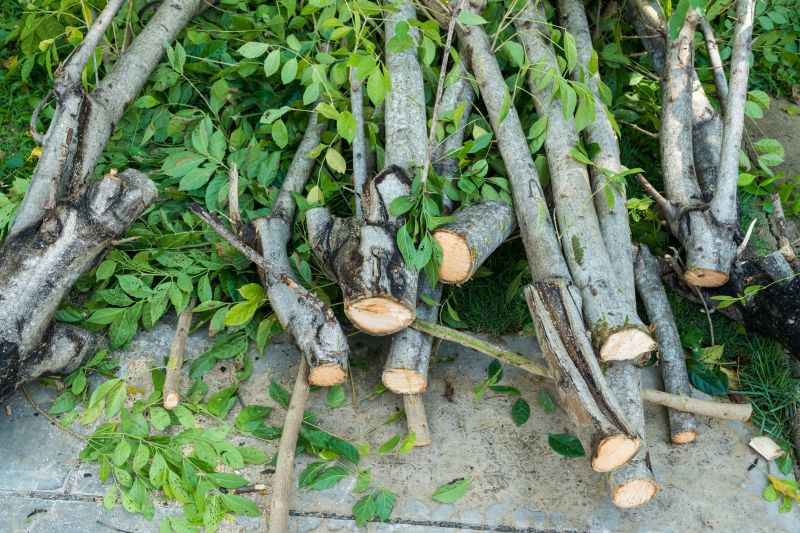
Ways to make Trail Cuttings work in tight or awkward layouts.
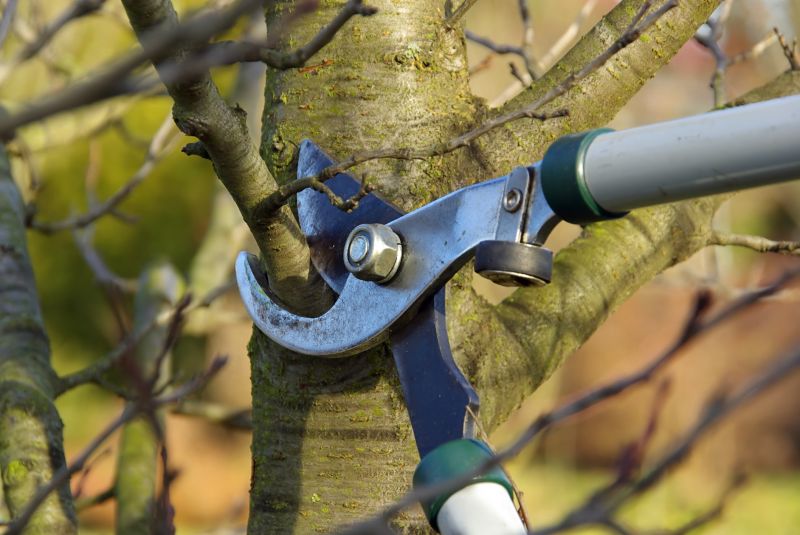
Popular materials for Trail Cuttings and why they hold up over time.
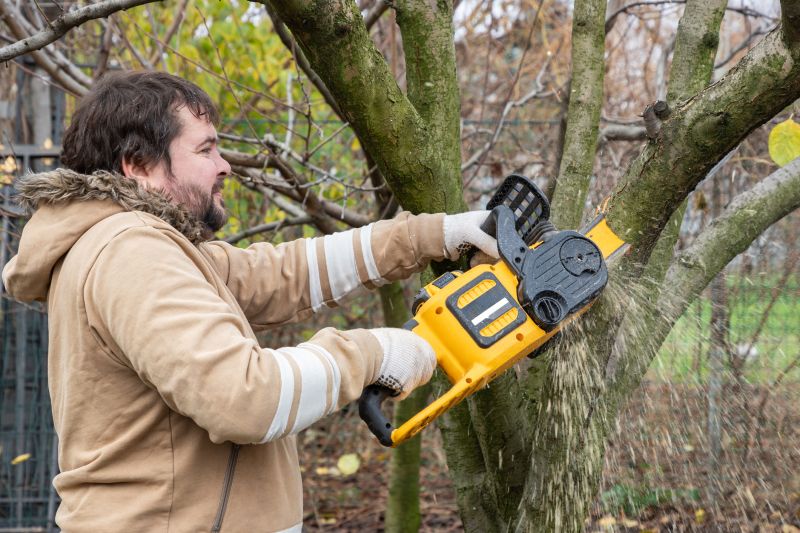
Simple add-ons that improve Trail Cuttings without blowing the budget.
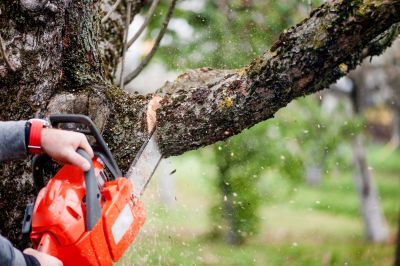
High-end options that actually feel worth it for Trail Cuttings.

Finishes and colors that play nicely with Trail Cuttings.

Little measurements that prevent headaches on Trail Cuttings day.
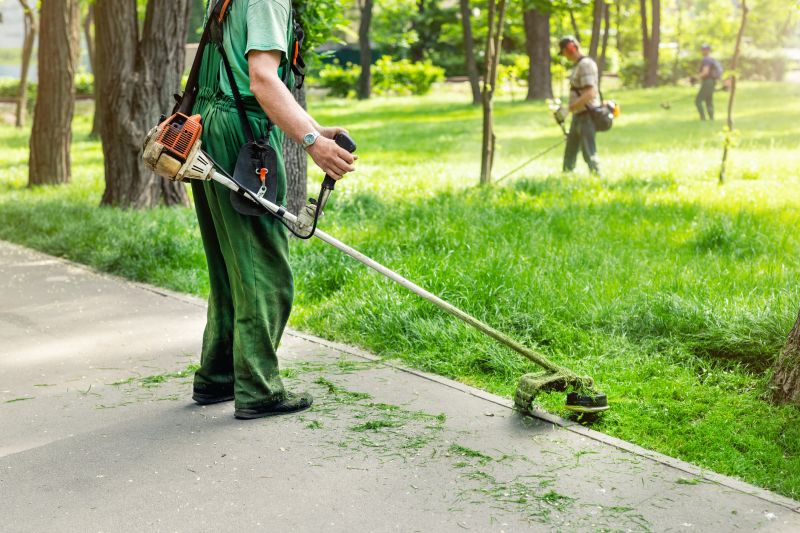
A 60-second routine that keeps Trail Cuttings looking new.
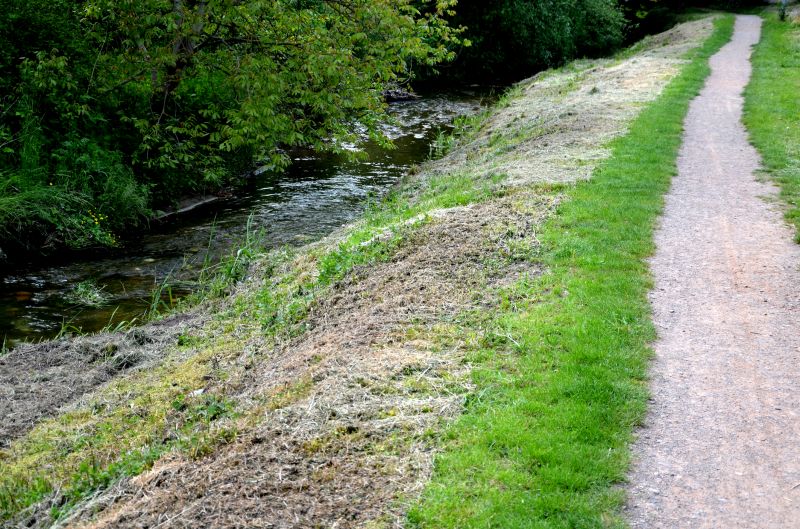
A frequent mistake in Trail Cuttings and how to dodge it.
| Season | Advantages |
|---|---|
| Late Winter | Soil is softer, vegetation less dense, easier to work. |
| Early Spring | Vegetation begins to grow, trail recovery is quicker. |
| Dry Season | Reduced erosion risk, ideal for heavy equipment use. |
| Off-Peak Seasons | Less trail user interference, better scheduling. |
| Dormant Periods | Minimized disturbance to wildlife and plants. |
Trail cuttings involve removing obstructions, reshaping pathways, and maintaining trail integrity to ensure safe and sustainable usage. Proper timing enhances the effectiveness of maintenance activities, reduces environmental disturbance, and prolongs trail lifespan. Seasonal considerations should be evaluated based on local conditions to optimize results.
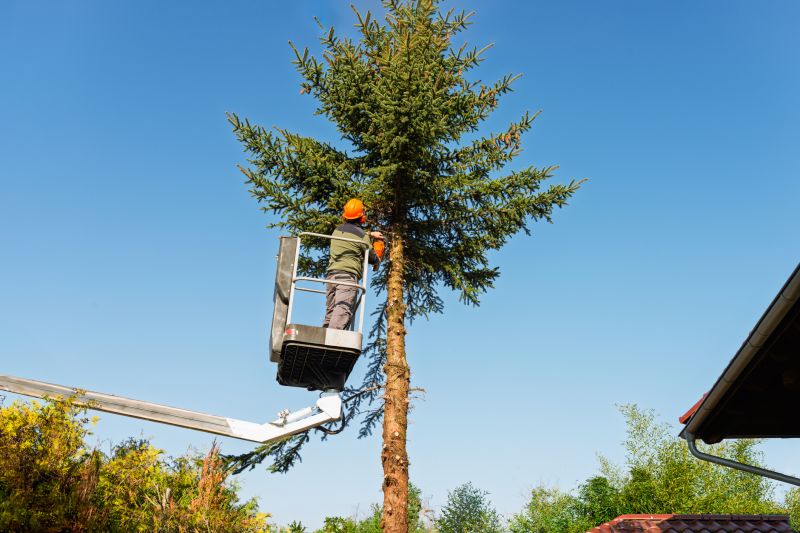
Small tweaks to make Trail Cuttings safer and easier to use.
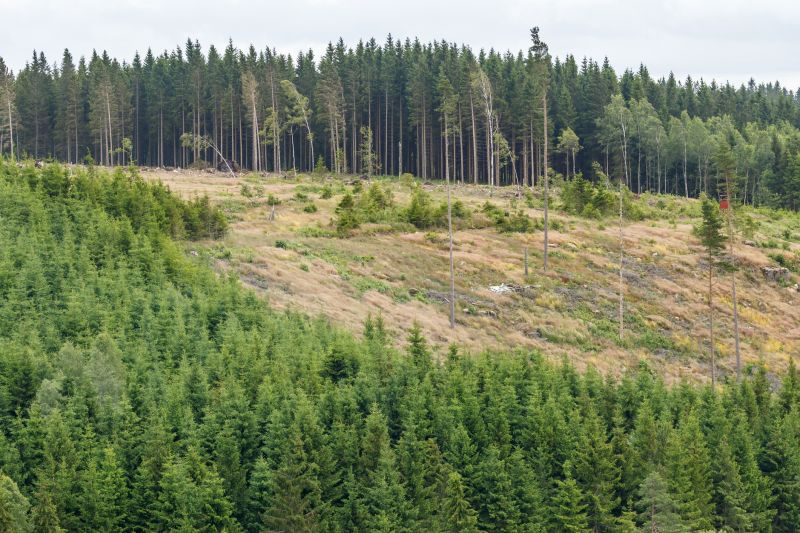
Lower-waste or water-saving choices for Trail Cuttings.
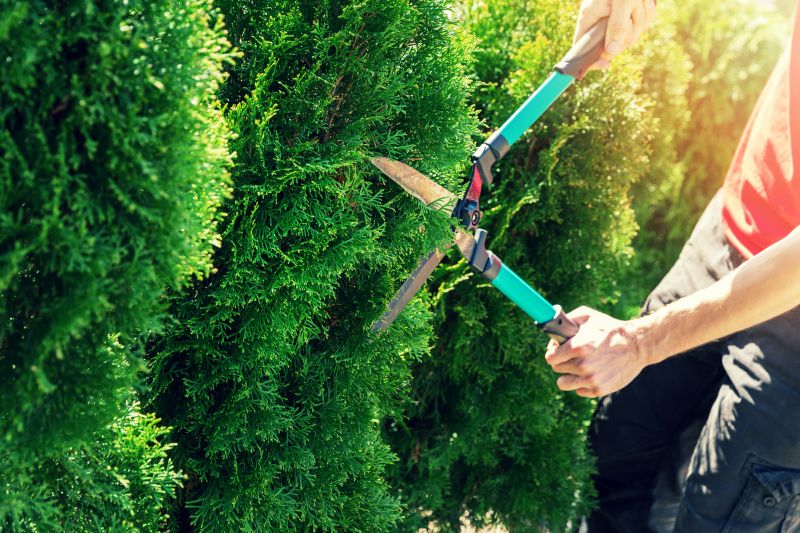
The short, realistic tool list for quality Trail Cuttings.
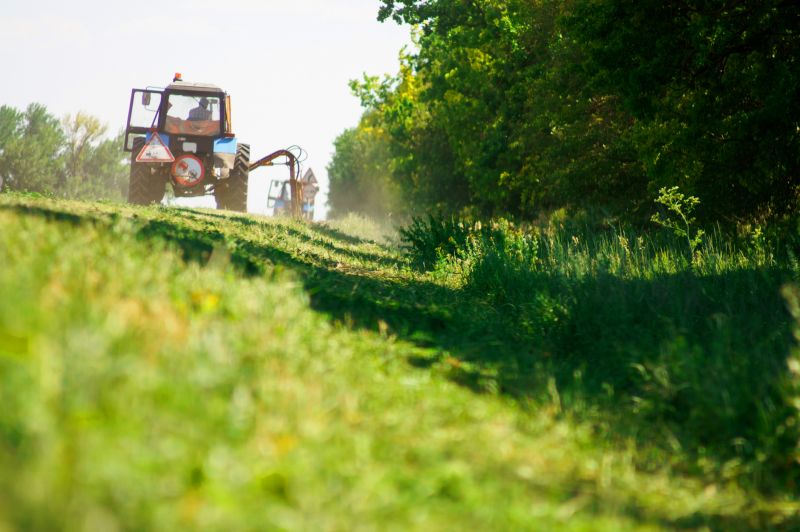
Rough timing from prep to clean-up for Trail Cuttings.
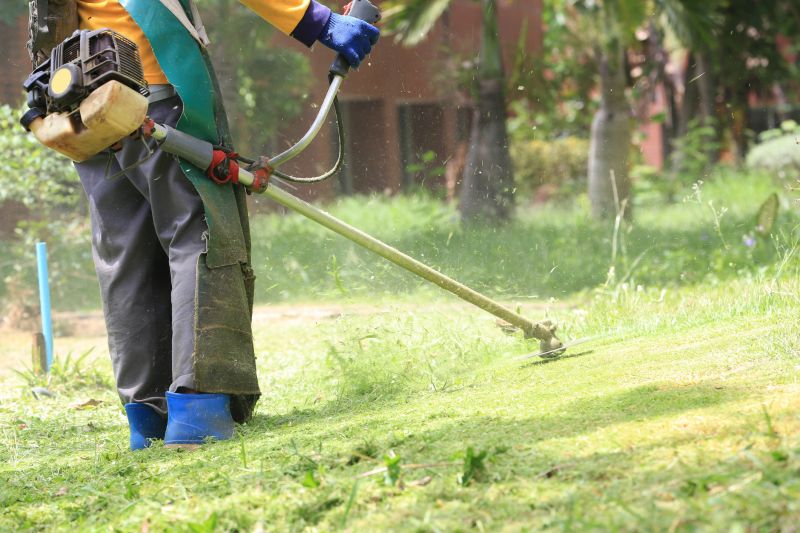
Quick checks and paperwork to keep after Trail Cuttings.

Examples that show the impact a good Trail Cuttings can make.
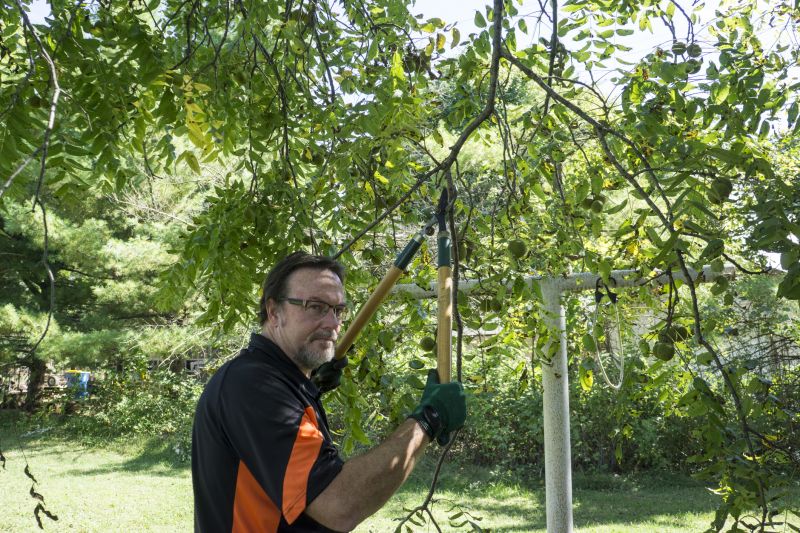
Ways to make Trail Cuttings work in tight or awkward layouts.
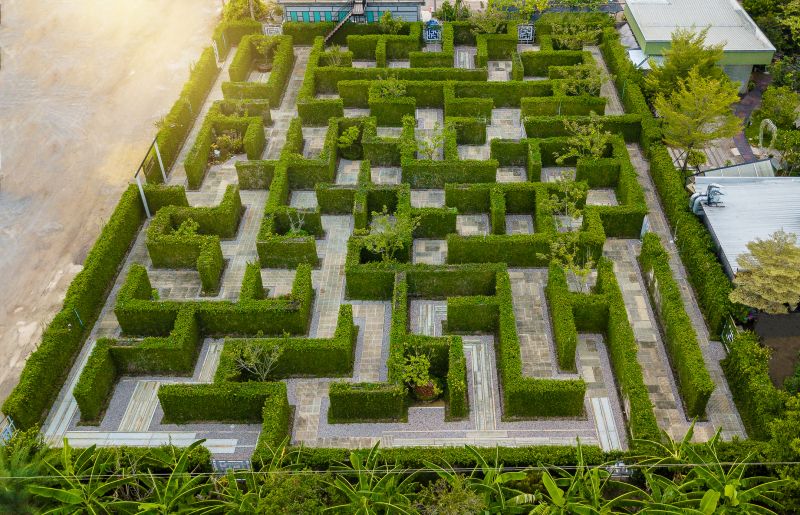
Ways to make Trail Cuttings work in tight or awkward layouts.
Interested parties are encouraged to contact for more information or to schedule trail cutting services. Proper planning and timing are key to maintaining sustainable and accessible trails for all users.